

Car Lock Symbol on the Dashboard: What It Really Means
The car lock symbol on your dashboard is one of the most commonly misunderstood warning indicators. While it often relates to your vehicle’s security or anti-theft system, in some situations it can also signal deeper issues involving immobilizers, sensors, or post-collision system faults.
This guide explains what the car lock symbol actually means, when it’s normal, and when it may indicate a problem that requires professional attention.
What the Car Lock Symbol Represents
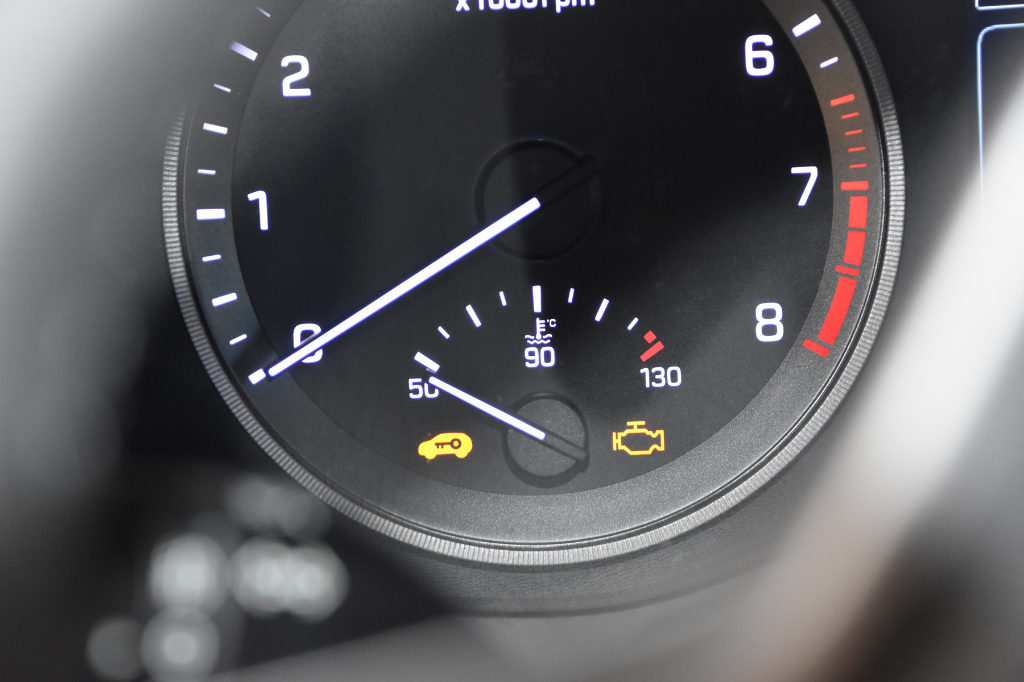
The car lock symbol typically appears as a vehicle with a padlock icon. Its primary function is to communicate the status of the vehicle’s security, immobilizer, or anti-theft system.
In most modern vehicles, this system prevents the engine from starting unless the correct key or key fob is detected. It may also interact with the alarm system, central locking, and onboard computer modules.
Steady vs. Flashing Lock Symbol
Steady (Solid) Lock Light
A steady lock symbol usually indicates that the security system is engaged and operating normally. This commonly appears after locking the vehicle or when the immobilizer is armed.
Flashing Lock Light
A flashing lock symbol can mean different things depending on the vehicle:
- The alarm system is armed and actively monitoring the vehicle
- The immobilizer is waiting for proper key authentication
- The system has detected a fault or communication issue
Why the Lock Symbol Can Appear After an Accident
After a collision, the car lock symbol may appear or behave abnormally due to damage or stored crash data within the vehicle’s electronic systems.
- Immobilizer or key recognition faults
- Disrupted communication between control modules
- SRS or airbag system events affecting security logic
- Stored crash data preventing normal system reset
When the Lock Symbol Indicates a Problem
You should investigate further if you notice any of the following:
- The lock symbol stays on while driving
- The vehicle will not start or intermittently fails to start
- The symbol behaves differently than it did before an accident
- The symbol appears alongside other warning lights
These symptoms can indicate immobilizer faults, sensor issues, or crash-related electronic problems.
What to Do If the Lock Symbol Is Not Normal
- Ensure all doors, hood, and trunk are fully closed
- Try a spare key or key fob if available
- Check the owner’s manual for model-specific behavior
- Avoid repeated start attempts that may trigger system lockout
If the issue persists, professional diagnosis is recommended.
Security Systems, SRS, and Crash Data
In many vehicles, the security system communicates with the airbag and SRS modules. After a collision, stored crash data can prevent systems from resetting properly, causing warning indicators—including the lock symbol—to remain active.
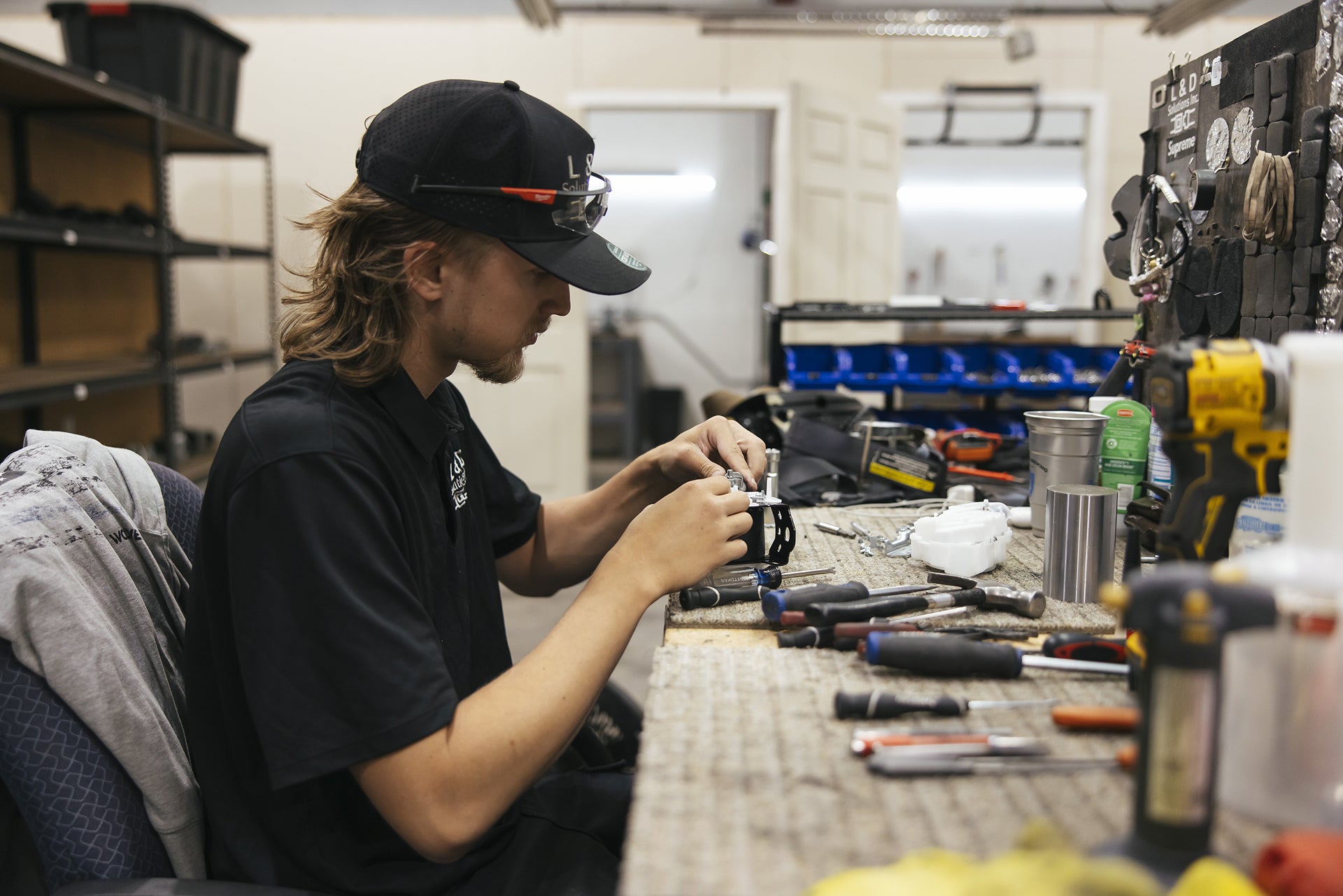
L&D Solutions provides airbag module reset after an accident to help restore normal system operation when crash data is the underlying cause.
When Professional Help Is the Right Move
If the car lock symbol appears after a collision, persists while driving, or is paired with other warning lights, the safest option is professional evaluation.
L&D Solutions specializes in post-collision electronic safety components and offers nationwide mail-in services for airbag modules and related systems.
Get Airbag Module Reset ServiceFrequently Asked Questions
Is the car lock symbol always a problem?
No. In many cases it simply indicates the security system is active. Context and behavior matter.
Can a collision trigger the car lock symbol?
Yes. Post-collision electronic faults or stored crash data can affect security and immobilizer systems.
Can I keep driving if the lock symbol stays on?
If it stays on while driving or affects starting, professional diagnosis is recommended.
Does disconnecting the battery fix it?
Sometimes temporarily, but stored crash data or module faults often require proper reset or repair.
Who should diagnose a persistent lock symbol issue?
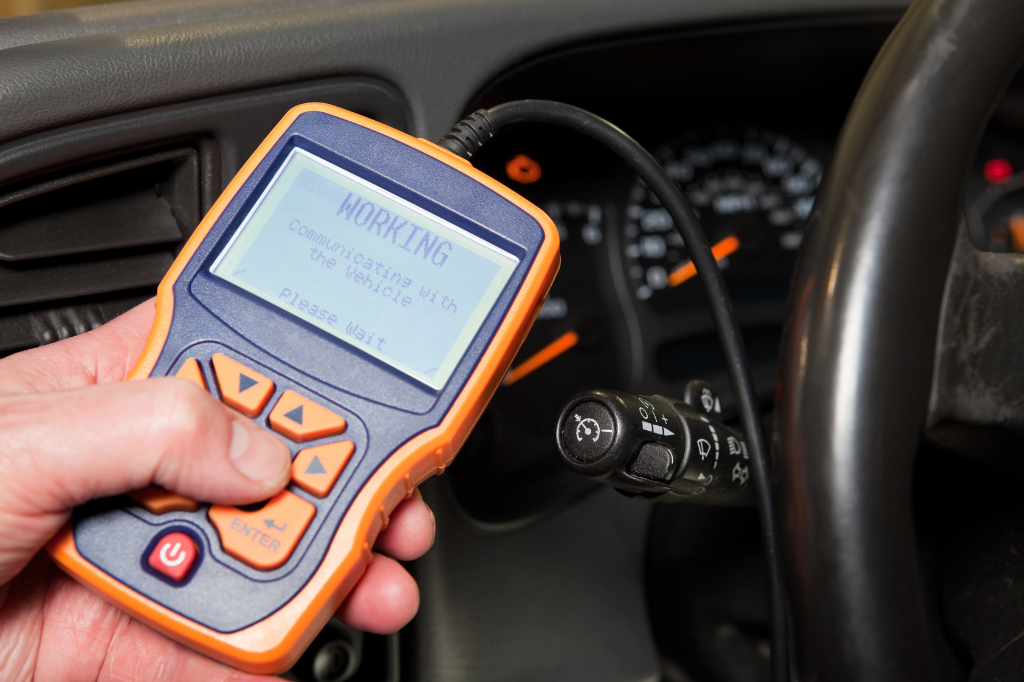
A qualified technician or post-collision electronics specialist with proper diagnostic tools.

Leave a comment
This site is protected by hCaptcha and the hCaptcha Privacy Policy and Terms of Service apply.