


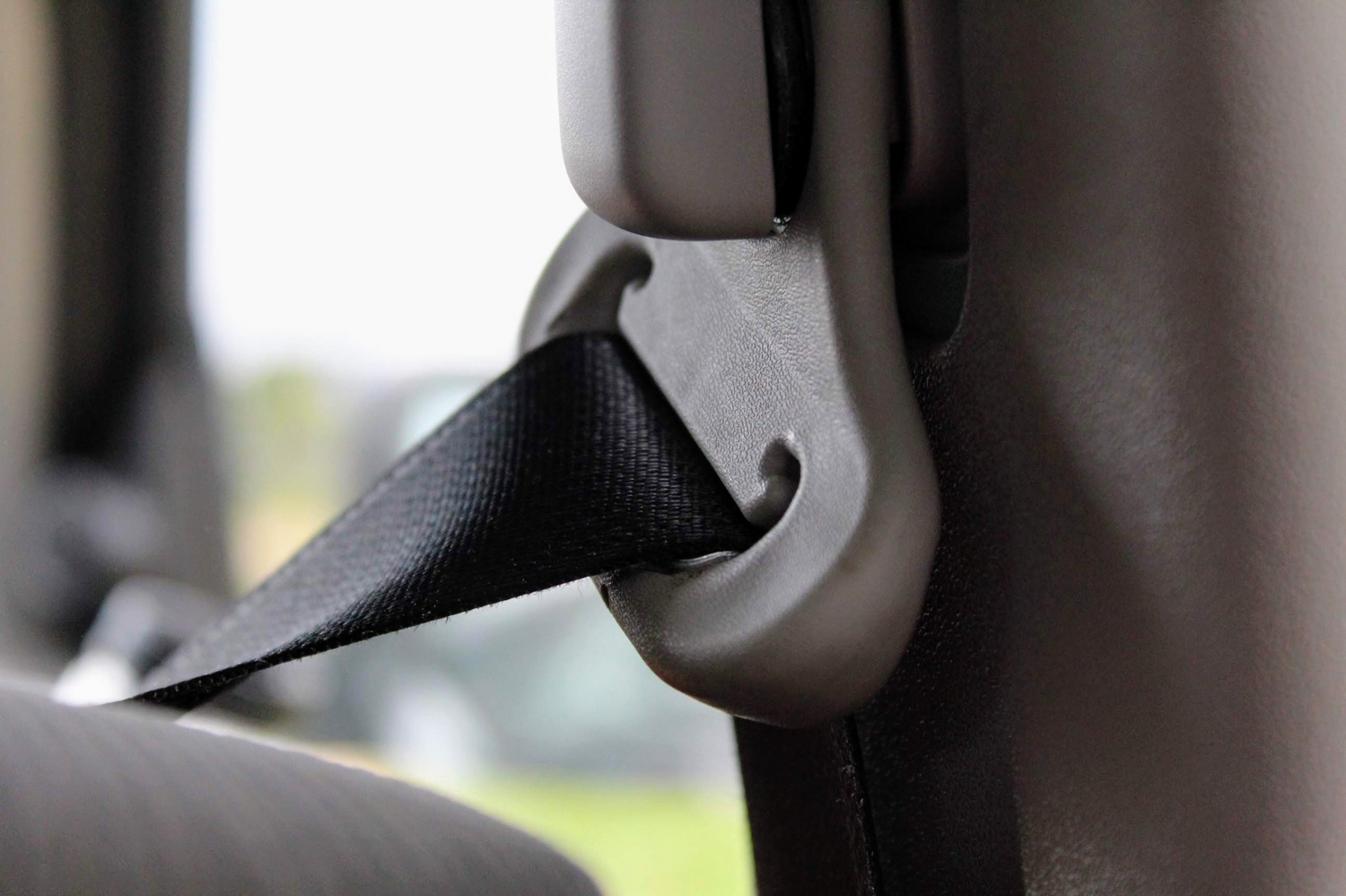
Seat Belt Won’t Retract? What It Means and What to Do Next
A seat belt that won’t retract properly is more than an inconvenience—it’s a safety failure. When a belt does not retract, it cannot maintain proper tension during driving or provide reliable protection in a collision.
This guide explains why seat belts stop retracting, what you can safely check, and when professional repair or replacement is the only responsible option.
L&D Solutions specializes in professional seat belt repair for post-accident and non-retracting seat belts using a nationwide mail-in service.
Why a Seat Belt Stops Retracting
Seat belt retractors rely on internal springs, locking mechanisms, and sensors to function correctly. When retraction fails, it is typically due to one of the following:
- Internal spring fatigue or damage
- Post-collision stress or deployment
- Contamination inside the retractor housing
- Locking mechanism binding or misalignment
While dirt on the belt itself can contribute, most persistent non-retraction issues originate inside the retractor assembly.

Common Warning Signs of Retractor Failure
- The belt extends but will not retract on its own
- The belt retracts slowly or inconsistently
- The belt remains slack while driving
- The belt locked during a previous accident
- The issue appeared after a collision or airbag deployment
What You Can Safely Check
There are only a few safe, non-invasive checks you can perform:
- Ensure the belt is not twisted along its length
- Check for visible contamination on the belt webbing
- Confirm the belt is not obstructed by trim or seat components
Why DIY Retractor Repairs Are Unsafe
Seat belt retractors are engineered to precise tolerances. Opening the housing or manipulating the spring can:
- Disable the locking mechanism
- Cause delayed locking during a crash
- Trigger SRS or airbag faults
- Create liability and inspection failures
For this reason, manufacturers and safety specialists do not recommend DIY retractor repairs.
Post-Collision Seat Belt Issues
After an accident, seat belts may lock or partially deploy even if airbags do not. Once this happens, retraction issues often follow.
In these cases, professional deployed seat repair or complete seat belt repair is required to restore safety function.
Professional Seat Belt Repair
If your seat belt will not retract, the safest solution is professional repair. L&D Solutions provides nationwide mail-in seat belt repair for locked, deployed, or non-retracting belts.
Get Seat Belt Repair ServiceFrequently Asked Questions
Is it safe to drive with a seat belt that won’t retract?
No. A non-retracting belt cannot maintain proper tension and may fail during a collision.
Can cleaning the belt fix retraction issues?
Surface cleaning may help minor issues, but most persistent problems originate inside the retractor.
Can a collision cause a seat belt to stop retracting?
Yes. Post-collision stress or deployment frequently damages the retractor mechanism.
Can the retractor spring be repaired at home?
No. Retractor springs are safety-critical and should only be serviced by professionals.
What is the safest fix for a non-retracting seat belt?
Professional seat belt repair or replacement by a qualified safety system specialist.


Leave a comment
This site is protected by hCaptcha and the hCaptcha Privacy Policy and Terms of Service apply.