

How to Reset an Airbag Control Module (ACU): Crash Data, SRS Codes, and What Actually Works
Resetting an airbag control module — commonly referred to as an ACU, SRS module, SDM, or RCM — is one of the most misunderstood automotive safety repairs. Despite thousands of guides claiming it can be done with a scanner, battery reset, or fuse pull, most of that advice is technically wrong.
This guide explains how airbag modules really work, what crash data is, why warning lights stay on after repairs, and when a proper module reset is required to restore system safety.
What the Airbag Control Module (ACU) Actually Does
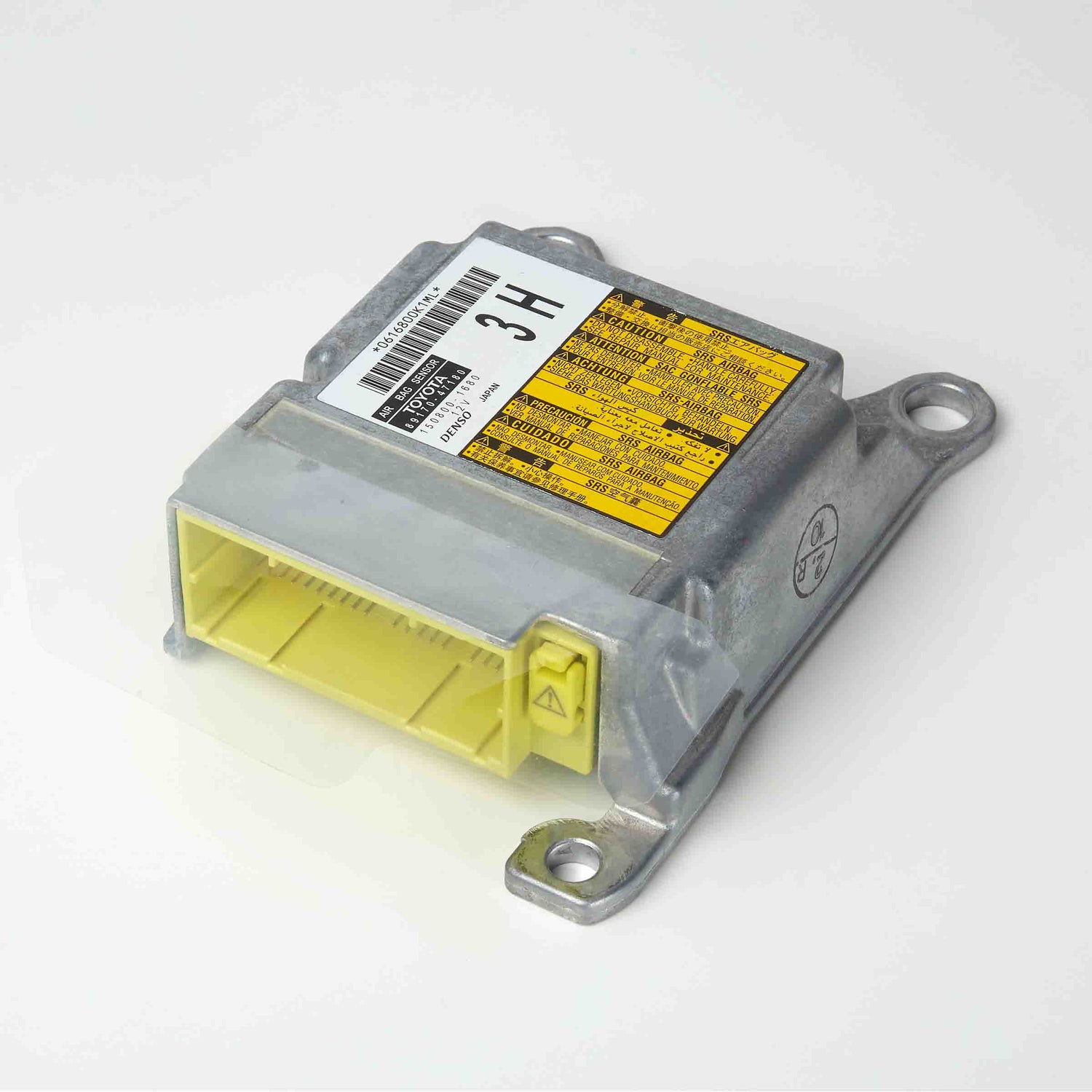
The airbag control module is the central processing unit of the vehicle’s Supplemental Restraint System (SRS). It operates continuously while the vehicle is running and monitors multiple safety-critical inputs in real time.
- Front, side, and rollover impact sensors
- Seat belt buckle switches and pretensioners
- Occupant classification and weight sensors
- Airbag igniter circuits (squibs)
- Vehicle speed and deceleration data (Delta-V)
- CAN bus communication integrity
When predefined thresholds are exceeded, the module deploys airbags and pretensioners in milliseconds. At the same time, it records a detailed event snapshot in non-volatile memory. This snapshot is what most people refer to as crash data.

Crash Data vs SRS Fault Codes (This Is Where Most People Get It Wrong)
Clearing an airbag light and resetting an airbag module are not the same thing. Understanding the difference between fault codes and crash data is critical.
| Item | Scanner Clearable | Description |
|---|---|---|
| Soft SRS codes | Sometimes | Low voltage, temporary disconnects, intermittent faults |
| Hard B-codes | Rarely | Circuit integrity or component failures |
| Crash data | No | Permanent deployment event records |
If crash data exists, clearing codes will not re-enable the SRS system. The module intentionally disables itself until crash data is resolved.
What Information Is Stored as Crash Data
During a collision, the ACU writes a comprehensive event record into EEPROM or flash memory. This data is designed to survive power loss and prevent unsafe reuse of deployed systems.
- Impact severity and direction
- Delta-V (change in velocity)
- Which airbags and pretensioners fired
- Seat occupancy and belt status
- Internal module self-diagnostics
Once written, these memory blocks are locked. Battery disconnects, fuse pulls, or ignition cycling cannot erase them.
Why Battery Disconnects, Fuse Pulls, and “Key Tricks” Do Nothing
Many DIY guides suggest disconnecting the battery for 30 minutes, pulling SRS fuses, or cycling the ignition in a specific sequence. These actions only remove power.
Modern airbag modules are explicitly designed so that:
- Crash data persists without power
- Memory cannot be cleared through voltage loss
- Event records survive battery replacement
If this were not the case, deployed airbags could be re-enabled without inspection — a massive safety risk.
Common SRS and Airbag Fault Codes After a Collision
- B0010–B0015 — Driver airbag deployment loops
- B0028 / B0035 — Passenger or side airbag faults
- B0051 / B0052 — Seat belt pretensioner deployment loops
- U0151 — Lost communication with airbag module
- B1000 / B1001 — Internal module memory faults
These codes frequently remain active even after airbags are replaced, until crash data is properly addressed.
Electrical Characteristics and Safety Warnings
Airbags and pretensioners are pyrotechnic devices. Probing circuits with a multimeter, test light, or power probe can cause deployment and severe injury.
Typical resistance targets (varies by OEM and stage):
- Airbag squib loops: ~2.0–3.0 ohms
- Pretensioner loops: ~2.2–3.5 ohms
Even small deviations will immediately trigger hard SRS faults.
Single-Stage vs Dual-Stage Airbags
Many vehicles use dual-stage airbags with two independent igniters. Each stage has its own circuit and resistance requirements.
- A single failed stage disables the entire system
- Incorrect simulators trigger immediate B-codes
- Some scanners misidentify which stage failed
Seat Belt Pretensioners and Why Resets Fail Without Them
Seat belt pretensioners fire during collisions and permanently change internal resistance. Resetting an airbag module without repairing pretensioners will not restore the system.
Why Most Diagnostic Scanners Cannot Reset Airbags
OBD-II scanners are emissions-focused. Even professional scan tools typically cannot erase locked crash event memory.
Manufacturer-Specific Behavior (High-Level)
- Toyota / Lexus: Crash data persists after deployment
- GM: SDM locks; VIN-linked behavior on some platforms
- Ford: RCM stores event records resistant to clearing
- BMW / Mercedes: Pyrotechnic events heavily logged
Proper Airbag Module Reset Workflow (High-Level)
- Disconnect battery and wait 15–20 minutes
- Replace deployed airbags and pretensioners
- Remove the module without probing circuits
- Erase crash data at memory level
- Reinstall and scan for remaining faults
- Verify SRS light remains off after multiple cycles
When a Reset Is Not Appropriate
- Flood-damaged vehicles
- Fire or heat exposure
- Physically cracked modules
- Unknown deployment history
Dealer Replacement vs Professional Reset
| Option | Cost | Risk |
|---|---|---|
| Dealer replacement | $800–$1,800+ | High cost |
| Used module | $150–$400 | VIN mismatch, coding issues |
| Professional reset | $54.99 - $120 | Requires expertise |
Professional Airbag Module and SRS Repair
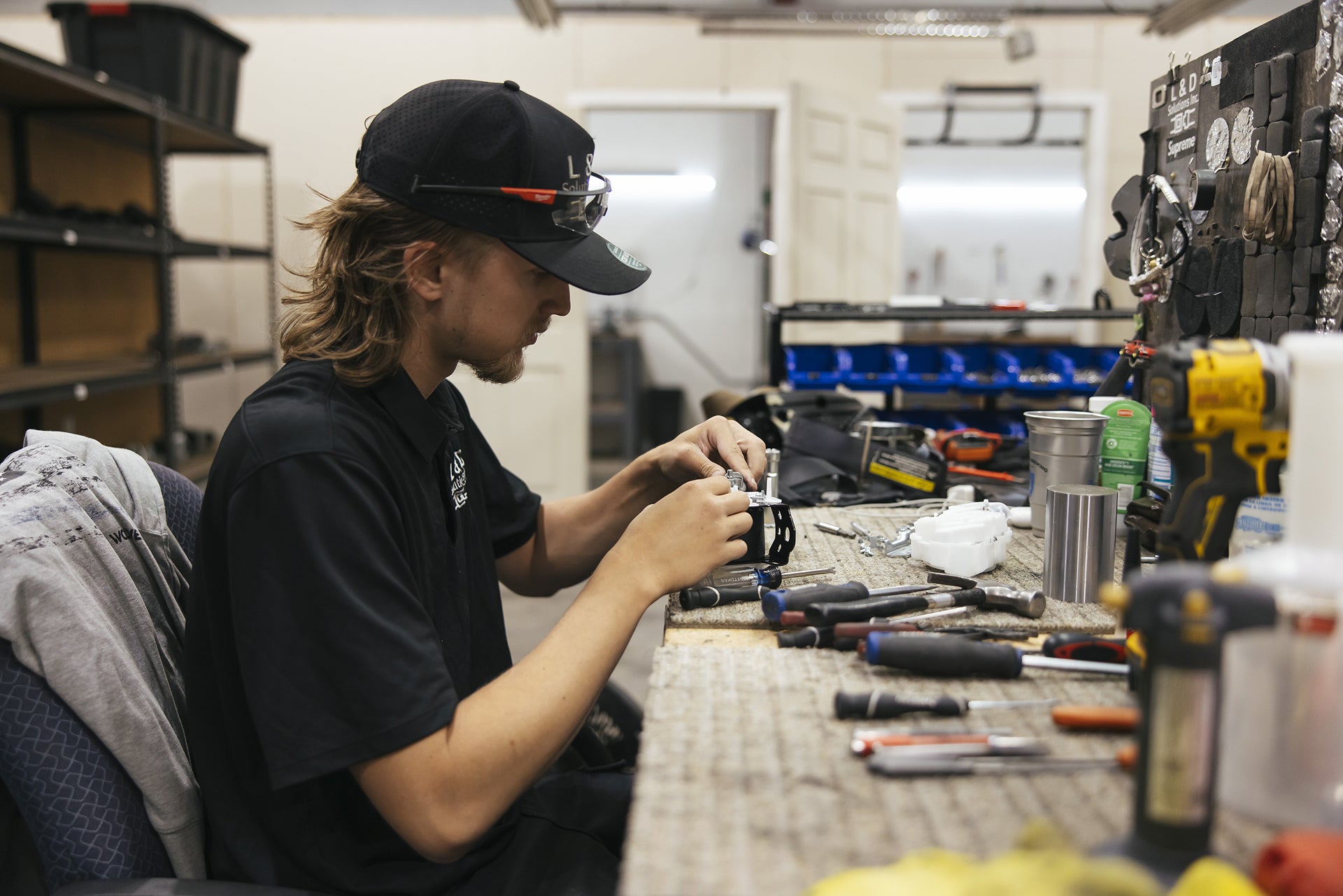
L&D Solutions specializes in safety-critical automotive repairs, including:
- Airbag (SRS / ACU) module reset and repair
- Seat belt and pretensioner repair (single, dual, triple stage)
- Seat belt rewebbing and OEM color matching
- Battery safety terminal and cable repair
- Steering column and impact sensor repair
For faster service, provide vehicle year, make, model, SRS codes, and module part number if available.
FAQ About Airbag Module Reset
Can an airbag module be reset after deployment?
In many cases, yes. After airbag deployment, the module stores crash data that disables the SRS system. This data cannot be cleared with a standard scanner, but it can often be removed through a professional airbag module reset if the module itself is not physically damaged.
Is clearing the airbag light the same as resetting the airbag module?
No. Clearing the airbag light only removes fault codes. If crash data is stored inside the module, the airbag system will remain disabled even if the warning light turns off temporarily. A proper reset removes crash event records at the memory level.
Why does the airbag light stay on after replacing airbags?
Replacing airbags alone does not clear crash data stored in the airbag control module. In addition, deployed seat belt pretensioners, damaged sensors, or wiring faults can keep the SRS light on until all related components are repaired and the module is reset.
Can I reset an airbag module with an OBD-II scanner?
Most OBD-II scanners cannot reset airbag modules after deployment. They are designed primarily for emissions-related diagnostics and may only read or clear limited SRS fault codes. Crash data removal requires specialized equipment and procedures.
Is it safe to drive with the airbag light on?
Driving with the airbag light on usually means the SRS system is disabled. In this condition, airbags and pretensioners may not deploy in a future accident, increasing the risk of serious injury.
Do seat belt pretensioners need to be repaired before resetting the module?
Yes. Deployed pretensioners permanently change their electrical characteristics. If they are not repaired or replaced, the airbag control module will detect a fault and the SRS warning light will remain on even after a reset.
Will disconnecting the battery reset the airbag module?
No. Disconnecting the battery only removes power from the vehicle. Crash data is stored in non-volatile memory and is designed to survive battery disconnects, fuse removal, and ignition cycling.
Is a used airbag module a good alternative to resetting?
Used modules often introduce problems such as VIN mismatch errors, incorrect configuration, or incompatibility with the vehicle’s airbag system. In many cases, a professional reset of the original module is safer and more reliable.
When should an airbag module not be reset?
An airbag module should not be reset if it has been exposed to flooding, fire, physical damage, or if the vehicle’s deployment history is unknown. In these cases, replacement is typically the safer option.


Leave a comment
This site is protected by hCaptcha and the hCaptcha Privacy Policy and Terms of Service apply.