


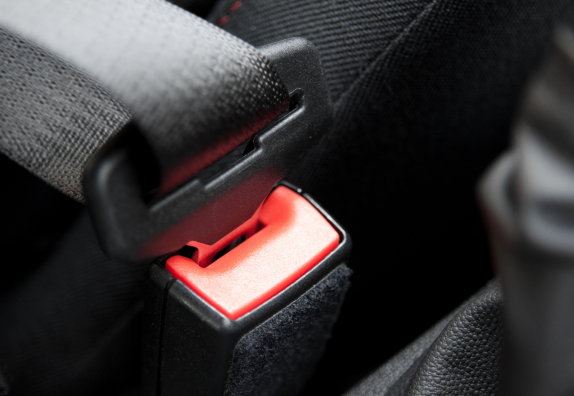
Seat Belt Stuck or Won't Retract? Causes, Fixes & When to Repair
Last Updated: August 2026
Reviewed by: L&D Solutions Technical Team - Seat Belt & SRS Repair Specialists
Experience: 10+ Years Repairing OEM Seat Belt Retractors & Pretensioners Nationwide
A seat belt that does not work correctly can compromise crash protection. Use this guide to understand the symptoms and the limits of a visual check. Follow the instructions for your vehicle, and have a qualified technician determine whether service or replacement is required. Do not rely on the belt simply because it moves again.
Seat Belt Locked After an Accident?
Get Professional Seat Belt RepairHow Does a Seat Belt Work?
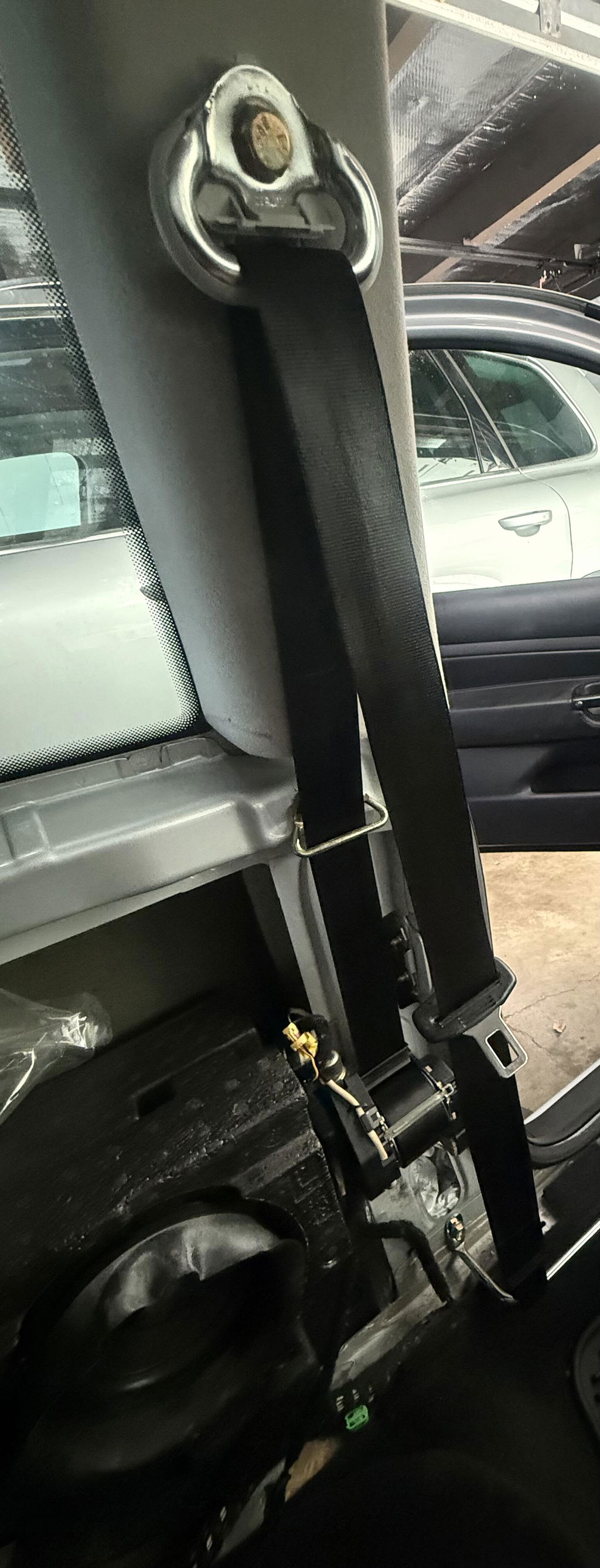
Modern seat belts rely on a retractor assembly built from:
- A spring-loaded spool that keeps the belt snug
- An emergency locking retractor (ELR) that locks in sudden stops
- A pretensioner that tightens the belt in a collision
- Integration with the SRS airbag system
The belt is designed to lock when the vehicle decelerates rapidly, when you pull the belt too quickly, when the vehicle tilts, or when a collision fires the pretensioner. When one of these systems malfunctions - or after the pretensioner deploys - the belt can stay stuck or refuse to retract.
Why Is My Seat Belt Stuck or Jammed?
These are the most common causes, from simplest to most serious:
1. Dirt and debris inside the retractor
Dust, food particles, and grime restrict the internal spool, causing slow or partial retraction. This is the most common everyday cause.
2. Emergency lock mechanism stuck
Parking on an incline or yanking the belt can leave the ELR engaged, so the belt won't extend.
3. Twisted or folded webbing
A twist creates uneven tension and jams smooth movement in and out of the retractor.
4. Weak or broken retractor spring
Over years of use the return spring loses tension, so the belt hangs loose and won't pull itself back in.
5. Deployed pretensioner after a collision
If your vehicle was in an accident, the pretensioner may have fired and permanently locked the belt. This cannot be fixed by cleaning or pulling - it requires professional repair or a reset.
Why Does My Seat Belt Keep Locking Up?
If your belt locks every time you reach for it - even when you are not in a crash - the emergency locking retractor is doing its job, just too eagerly. This usually comes down to:
- Pulling too fast: The ELR is speed-sensitive. A quick tug trips the lock. Let the belt fully retract, then draw it out slowly.
- Parked or stopped on a slope: The tilt sensor inside the retractor engages the lock on an incline. Level ground releases it.
- A fully extended belt: Pulling the belt all the way out triggers the child-seat lock (ALR) mode. Feed it all the way back in to reset it.
- Debris or a weak spring: If it locks constantly with none of the above, the retractor likely needs cleaning or repair.
Why Won't My Seat Belt Retract?
A belt that won't pull itself back in points to the retractor spring or friction inside the assembly:
- Twisted webbing catching at the guide or retractor slot - fully extend and untwist it.
- Dirt in the retractor slowing the spool - clean the webbing and clear the opening.
- A worn return spring that has lost tension - this is a repair, not a cleaning job.
- A fired pretensioner after a crash - the belt is locked out and needs professional service.
If cleaning and untwisting don't restore smooth retraction, the retractor mechanism itself needs to be repaired or replaced with OEM parts.
How Do You Fix a Stuck Seat Belt at Home? (Non-Accident Cases Only)
Step 1: Park on level ground
Tilt sensors can hold the lock engaged. Make sure the vehicle is flat first.
Step 2: Pull slowly and steadily
Do not yank. Gentle, gradual tension often releases the ELR lock.
Step 3: Check for twists
Fully extend the belt and flatten out any visible folds or twists in the webbing.
Step 4: Clean the webbing
Use mild soap and water. Let it dry completely before allowing it to retract.
Step 5: Use compressed air
Blow air near the retractor opening to clear debris. Do not open the retractor assembly - it is spring-loaded and safety-critical.
Why Is My Seat Belt Stuck After an Accident?
After a collision, the pretensioner fires to instantly remove slack from the belt. Once fired, it locks the belt and cannot reset itself - by design. No amount of cleaning, pulling, or level parking will free it, because the mechanism has physically deployed.
A post-accident locked belt is often paired with a lit airbag/SRS warning, because the pretensioner and the airbag system share the same crash event. In that case the fix is to professionally repair the seat belt and, if needed, reset the airbag module. Our seat belt repair service restores fired pretensioners and locked retractors to OEM function, and our airbag module reset service clears the stored crash data so the SRS light goes out - both with 24-hour turnaround and a lifetime warranty.
When Do You Need Professional Seat Belt Repair?
- Belt fully locked after a collision
- Frayed, cut, or damaged webbing
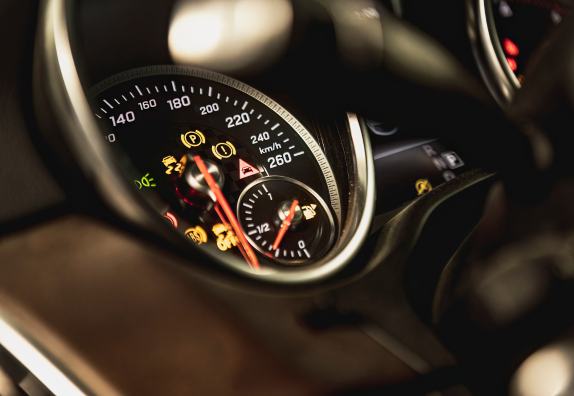
- Airbag or SRS warning light on
- Seat belt will not retract at all after DIY steps
- Pretensioner has deployed
Seat belts are federally regulated safety components. Improper DIY disassembly can compromise crash protection and void compliance. If the webbing itself is damaged, our webbing replacement service restores it with OEM-grade material. When a belt is locked after an accident, a qualified technician should inspect the restraint system and follow the vehicle manufacturer's instructions for repair or replacement. Replace any components the manufacturer requires; do not assume that restoring belt movement makes the system safe.
Frequently Asked Questions
Can I fix a stuck seat belt myself?
Minor dirt, twisting, or an over-eager lock can usually be corrected at home with level parking, slow pulling, cleaning, and compressed air. If the belt locked after an accident or the pretensioner fired, professional repair is required.
Why does my seat belt lock when I pull it quickly?
The emergency locking retractor is speed-sensitive and locks to protect you during sudden stops. Let it fully retract, then pull it out slowly and steadily.
How do I fix a jammed seat belt retractor?
Untwist the webbing, clean it with mild soap and water, and clear debris from the retractor opening with compressed air. If it still won't retract, the return spring is likely worn and the retractor needs professional repair.
Why won't my seat belt retract after an accident?
A belt that will not retract after a collision needs professional inspection. The symptom alone does not confirm that the pretensioner deployed. A qualified technician should determine the cause and follow the vehicle manufacturer's instructions for repair or replacement before the belt is used again.
Is it safe to drive with a jammed seat belt?
No. A seat belt that won't lock, retract, or hold properly reduces crash protection and should be inspected or repaired before you rely on it.
Does insurance cover seat belt repair?
In many cases, yes - especially when the damage is tied to a collision claim. Check with your insurer, since pretensioner and belt repairs after an accident are often included.
Final Safety Reminder
Your seat belt is part of your vehicle's primary restraint system. If there is any doubt about how it locks, retracts, or holds - especially after an accident - have it inspected or professionally repaired right away. Contact our team if you are unsure whether your belt needs cleaning, repair, or a full pretensioner reset.

Leave a comment
This site is protected by hCaptcha and the hCaptcha Privacy Policy and Terms of Service apply.