


Stuck and Jammed Seat Belts: Causes, Fixes & When to Repair
Last Updated: February 2026
Reviewed by: L&D Solutions Technical Team – Seat Belt & SRS Repair Specialists
Experience: 10+ Years Repairing OEM Seat Belt Retractors & Pretensioners Nationwide
A stuck seat belt is more than frustrating — it can compromise your vehicle’s primary restraint system. Whether your belt won’t retract, won’t extend, or locked after an accident, understanding the cause is critical.
This guide explains:
- Why seat belts jam
- Safe troubleshooting steps
- When professional repair is required
- How accident-related locking works
Seat Belt Locked After an Accident?
Get Professional Seat Belt Repair →How Seat Belts Work
Modern seat belts rely on a retractor assembly containing:
- Spring-loaded spool
- Emergency locking retractor (ELR)
- Pretensioner (post-collision tightening system)
- SRS airbag system integration
The belt locks when:
- The vehicle decelerates rapidly
- The belt is pulled too quickly
- The vehicle tilts
- A collision deploys the pretensioner
Common Causes of a Jammed Seat Belt
1. Dirt & Debris Inside the Retractor
Dust, food particles, and debris restrict internal spool movement, causing slow or partial retraction.
2. Emergency Lock Mechanism Stuck
Parking on an incline or pulling the belt aggressively can keep the lock engaged.
3. Twisted or Folded Webbing
Twists create uneven tension and prevent smooth movement.
4. Weak or Broken Retractor Spring
Over time, springs lose tension and the belt hangs loosely.
5. Deployed Pretensioner After Collision
If your vehicle was in an accident, the pretensioner may have fired, permanently locking the belt.
Safe DIY Troubleshooting (Non-Accident Cases Only)
Step 1: Park on Level Ground
Tilt sensors can activate the lock. Ensure the vehicle is flat.
Step 2: Pull Slowly & Steadily
Do not yank. Gradual tension may release the lock.
Step 3: Check for Twists
Fully extend the belt and correct any visible folds.
Step 4: Clean the Webbing
Use mild soap and water. Let it dry fully before retracting.
Step 5: Compressed Air
Blow air near the retractor opening. Do not open the assembly.
When You Need Professional Seat Belt Repair
- Belt fully locked after collision
- Frayed or damaged webbing
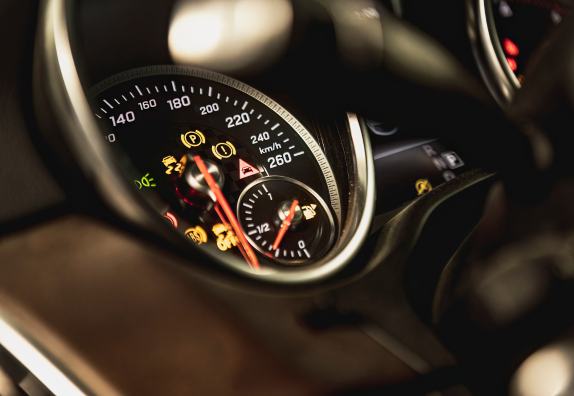
- Airbag/SRS warning light on
- Seat belt will not retract at all
- Pretensioner deployment
Seat belts are federally regulated safety components. Improper DIY disassembly can compromise crash protection.
If your belt is locked due to an accident, professional service can reset or restore it to OEM-level function.
Frequently Asked Questions
Can I fix a stuck seat belt myself?
Minor dirt or twisting can be corrected at home. If the belt locked after an accident, professional repair is required.
Why does my seat belt lock when I pull it quickly?
The emergency locking retractor activates to protect you during sudden stops.
Is it safe to drive with a jammed seat belt?
No. A malfunctioning seat belt reduces crash protection.
Does insurance cover seat belt repair?
In many cases, yes — especially if related to a collision claim.
Final Safety Reminder
Your seat belt is part of your vehicle’s primary restraint system. If there is any doubt about its function, have it inspected or professionally repaired immediately.


Leave a comment
This site is protected by hCaptcha and the hCaptcha Privacy Policy and Terms of Service apply.