


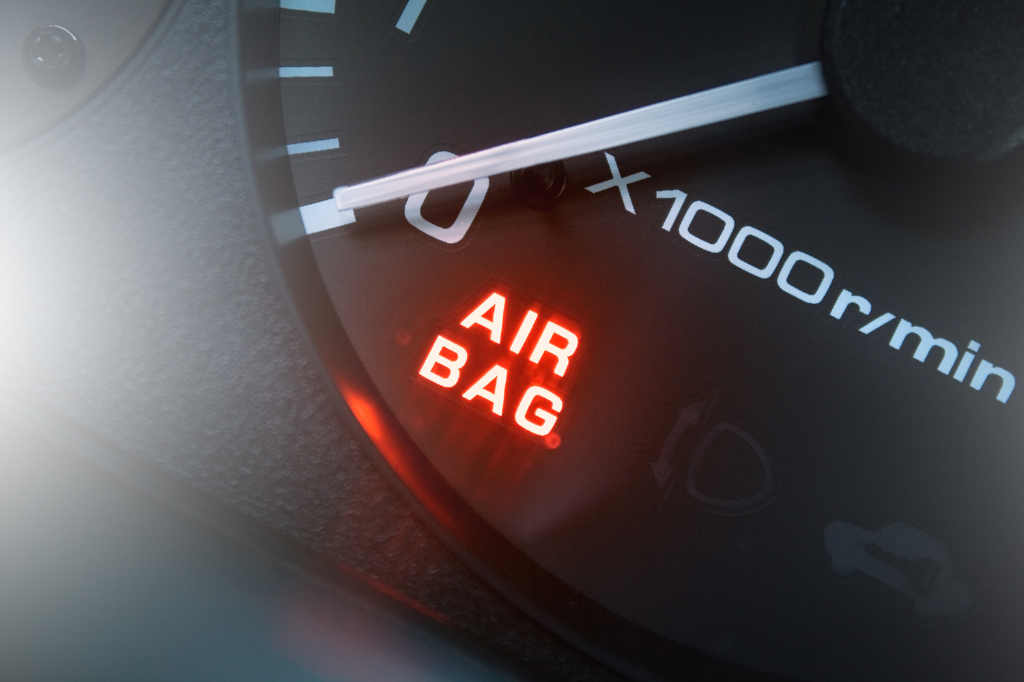
Quick Answer: A "Supplemental Restraint System Problem" means your car has detected a fault in its airbag and seatbelt-pretensioner system (the SRS), and that your airbags or seatbelt tensioners may not work in a crash. The most common causes are a bad clock spring, a low battery or voltage drop, damaged wiring, a faulty crash sensor, or an airbag module that locked after a past accident. It is safe to drive short-term, but the fault should be diagnosed and cleared quickly because the system is disabled while the light is on.
You are driving and a message appears: "Supplemental Restraint System Problem," or just an "SRS" or "Airbag" light on the dash. It is tempting to treat it like any other warning light and keep going. This one is different. It means the safety system built to protect you in a crash has flagged itself as not fully working. This guide explains what the supplemental restraint system is, what the warning means, what triggers it, whether you can keep driving, how it gets fixed, and roughly what it costs.
What Is the Supplemental Restraint System (SRS)?
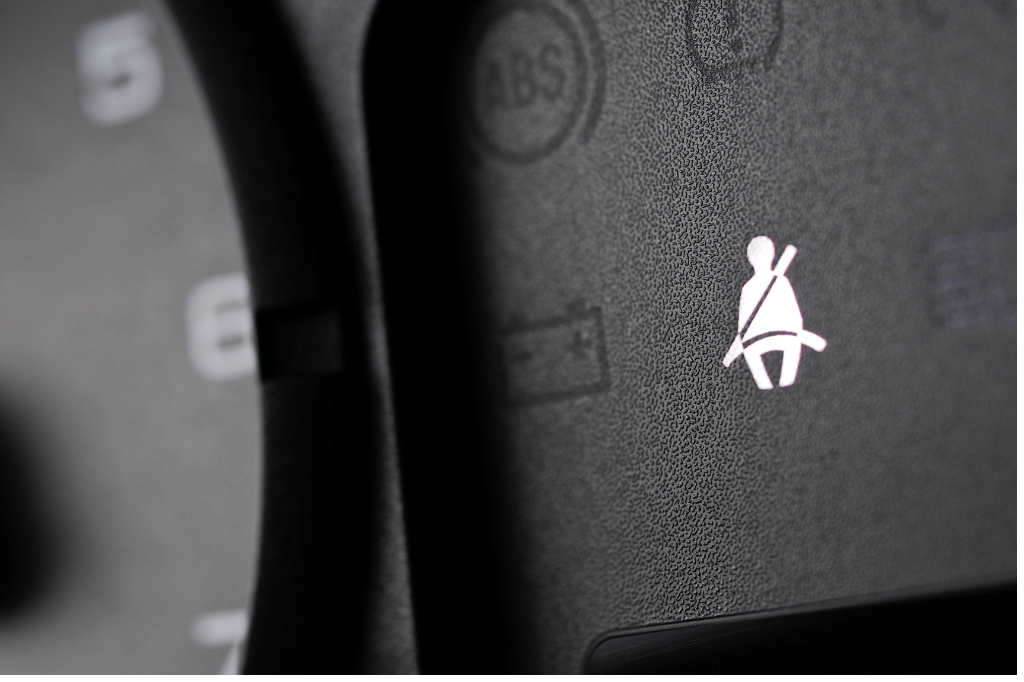
The supplemental restraint system is your vehicle's airbag system. The word "supplemental" is the key: it is designed to work with your seatbelt, not instead of it. The seatbelt is the primary restraint; the airbags and seatbelt pretensioners supplement it.
When a crash is detected, the SRS control module fires the airbags and tightens the seatbelts in a fraction of a second to reduce how far you move and how hard you hit the interior. The system is made up of crash sensors, the airbag control module (also called the SRS module), the airbags themselves, the seatbelt pretensioners, and the wiring and clock spring that connect them all.
What Does a Supplemental Restraint System Problem Mean?
A supplemental restraint system problem means the SRS control module ran its self-check and found a fault somewhere in that safety network. When it finds a fault, it does two things: it turns on the warning light, and it disables the affected part of the system so it does not misfire.
In plain terms, while that light is on, one or more of your airbags or pretensioners may not deploy in a collision. The car is telling you it cannot guarantee those safety devices will work. That is why this warning should not be treated like a low-washer-fluid reminder.
What Triggers a Supplemental Restraint System Problem?
The warning can come from something simple or something serious. These are the usual causes, roughly from most to least common:
- Clock spring failure: The coiled ribbon cable behind the steering wheel wears out and breaks the connection to the driver airbag. A very common cause, often paired with a dead horn or steering-wheel buttons.
- Low battery or voltage drop: A weak battery, a recent jump-start, or a battery replacement can trigger a fault or a false warning.
- Wiring or connector problem: Loose, corroded, or damaged connections, frequently the yellow airbag connectors under the front seats.
- Faulty crash sensor: A sensor sending an out-of-range or missing signal.
- Past accident, not reset: If the car was in a collision, the airbag module can store crash data and lock. The light stays on until the module is reset.
- Water damage: Moisture reaching the SRS control module, common in cars that have had floor flooding.
What Is the SRS Module and Why Does It Matter?
The SRS module (the airbag control module or occupant restraint controller) is the brain of the system. It reads the crash sensors, decides when to deploy, and constantly monitors every circuit for faults. When you see a supplemental restraint system problem, this module is the component that logged it.
Two things about the SRS module matter for repairs:
- It locks after a crash. Once it records a deployment or a hard impact, it stores crash data and will not clear on its own. New airbags alone will not turn the light off - the module has to be reset back to factory condition first.
- Replacing it at a dealer is expensive. A mail-in SRS airbag module reset returns your original module fully cleared of crash data and codes, usually within 24 hours, at a fraction of dealer replacement cost.
How Do You Know if You Have an SRS Problem?
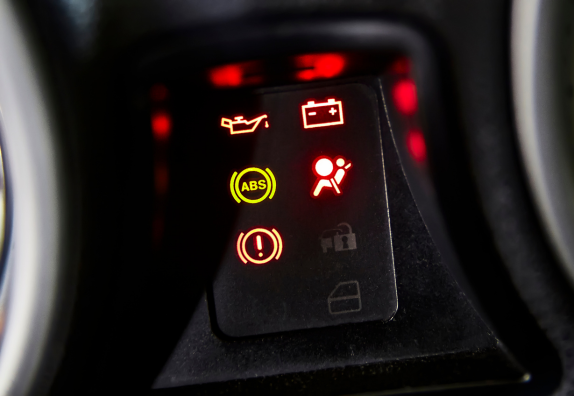
The main sign is a warning on the dashboard. Depending on the vehicle it may read as:
- "Airbag" (or the airbag icon - a person with a circle in front of them)
- "SRS"
- "Supplemental Restraint System Problem"
The light might appear after a minor bump, after a battery service, or seemingly at random. A light that stays on (rather than the brief self-test flash at startup) means a fault is stored and the system needs attention. Note that most basic OBD-II readers will not show SRS codes - an enhanced or manufacturer-capable scan tool is needed to read them.
Can You Keep Driving With an SRS Problem?
Technically the car will still run and drive normally. But it is not safe to leave it. While the warning is on, the affected airbags or pretensioners are disabled, so in a crash they may not deploy.
The honest way to think about it: driving with an active SRS warning is close to driving with no airbags. The vehicle is still fine to move to a shop or drive home, but you should not put it off for weeks.
How Do You Fix a Supplemental Restraint System Problem?
The repair follows a clear order:
- Check the battery first: A weak battery or recent replacement can set a false warning. Confirm voltage is healthy before chasing deeper faults.
- Run a diagnostic scan: An SRS-capable scan tool reads the exact trouble code, which tells you which component is failing instead of guessing.
- Inspect wiring and connectors: Check under the seats, around the airbags, and at the control module for loose or corroded connections. Reseating a backed-out connector fixes a surprising number of cases.
- Repair or replace the faulty part: Depending on the code, that means a clock spring, a sensor, wiring, or the module itself.
- Reset the system: After the repair, clear the SRS memory with a scan tool so the light goes out. If the module locked crash data from an accident, it must be reset before the light will clear.
How Much Does It Cost to Fix an SRS Problem?
Cost depends entirely on which component is at fault. Typical ranges:
| Repair | Typical cost |
|---|---|
| Sensor replacement | $200 - $400 |
| Clock spring repair | $250 - $500 |
| Module reprogramming / reset | $150 - $300 |
| Wiring repair | $100 - $250 |
It is not always an expensive fix - and a mail-in module reset is usually far cheaper than a dealer module replacement. Ignoring it, on the other hand, leaves your safety system offline.
Bottom Line: Don't Ignore the SRS Warning
A supplemental restraint system problem is not a minor dashboard light. It means your airbag system has a fault and your car's most important crash-protection features may not work when you need them. The good news is that most causes - a bad clock spring, low voltage, wiring, a sensor, or a crash-locked module - are quick to diagnose and fix.
At L&D Solutions we specialize in exactly these repairs: airbag module resets, seat belt repair, and other SRS system repairs. Mail us the part and we return it restored to factory condition, backed by a lifetime warranty and 24-hour turnaround. Not sure which component you need? Contact our team and we will help you identify it.

Leave a comment
This site is protected by hCaptcha and the hCaptcha Privacy Policy and Terms of Service apply.