


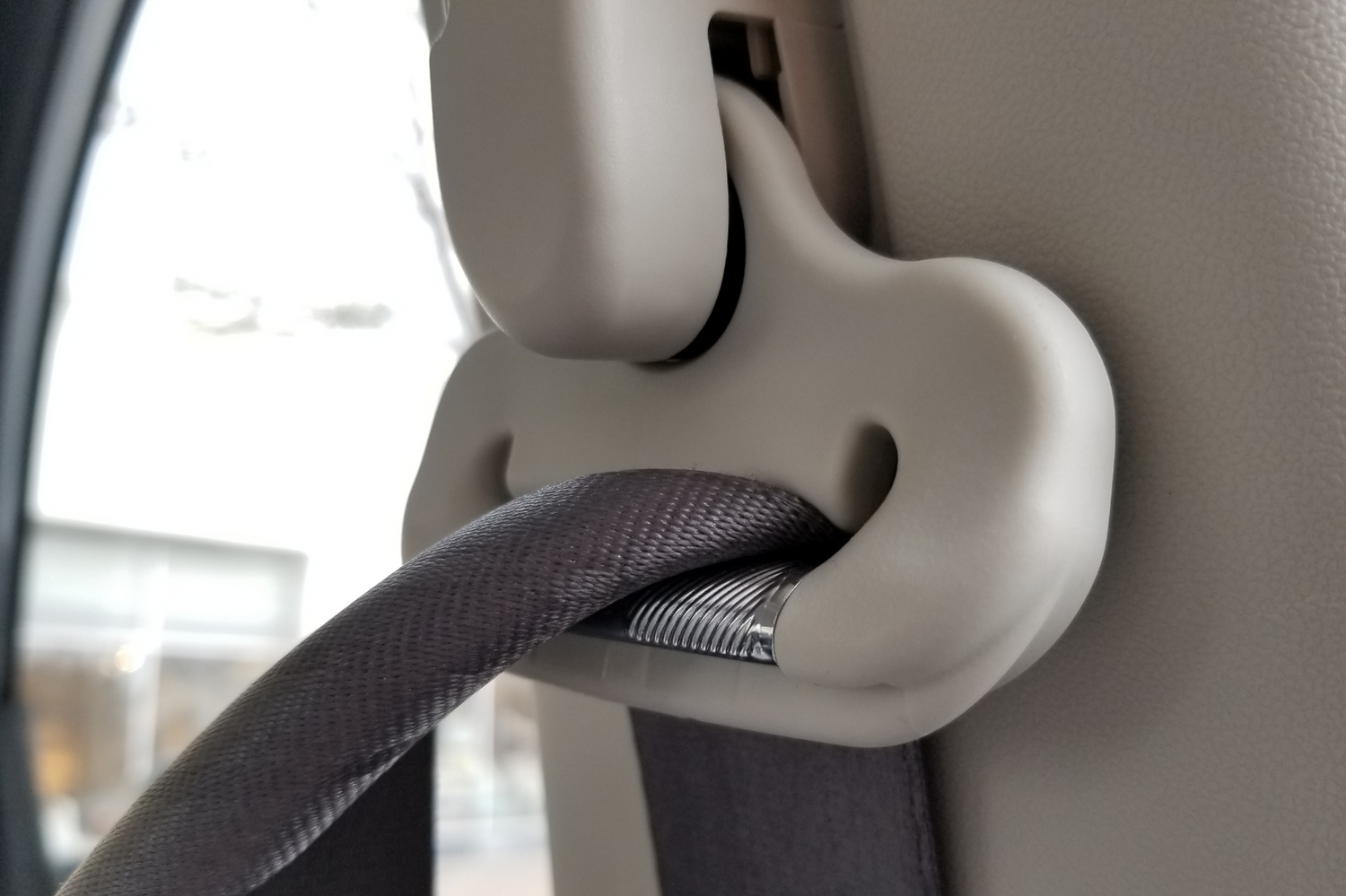
How to Fix a Slow-Retracting Seat Belt
A slow-retracting seat belt returns to its stored position sluggishly after you unbuckle it. Start with visible checks and the care instructions in your vehicle's owner's manual. If the belt is damaged or isn't working correctly, leave that seat unoccupied until a qualified technician has checked it.
This guide covers slow return. For a belt that does not retract at all, see our non-retracting seat belt guide. A belt that will not pull out or develops a problem after a collision needs professional inspection; do not force it.
Why Do Seat Belts Get Slow in the First Place?
1. Dirt, Dust & Everyday Grime
Seat belts pick up everything—dust, sweat, spilled coffee, crumbs (because let’s be honest, we all snack in the car). Over time, all that gunk builds up on the fabric, creating friction and slowing down retraction.
2. An Internal Retractor Problem
A fault inside the retractor can also affect how the belt returns. Slow movement alone does not identify a worn spring or tell you which part needs replacing. Have a qualified technician assess persistent retraction problems using the vehicle manufacturer's procedures.
3. Twists & Tangles
A simple twist in the belt can cause just enough resistance to slow things down. Even if it’s barely noticeable, it can mess with how smoothly the belt retracts.
4. An Obstructed Belt Path
Check the visible belt path for webbing caught against a seat or trim, without removing any parts. If the cause is not visible, leave the mechanism alone and arrange an inspection.
How to Fix a Slow-Retracting Seat Belt
Step 1: Read the Manual and Inspect the Visible Belt
Park before checking the belt. Follow the inspection instructions for your vehicle and look at the accessible webbing for cuts, fraying, burns or other damage. Do not force a belt that resists movement or remove trim to reach the retractor. If you find damage, stop the checks and arrange professional inspection.
Step 2: Check for Twists or Knots
Run your hands along the belt and straighten out any twists. Even the tiniest kink can cause friction and slow things down.
Step 3: Follow the Manufacturer's Cleaning Instructions
If the webbing is dirty and undamaged, follow the cleaning method specified in your vehicle's owner's manual. Use only the products and method it permits. Do not soak the assembly or let moisture enter the retractor, and let the belt dry completely before it retracts. Avoid bleach, solvents and added heat. If the manual does not provide a suitable method, ask your dealer before cleaning.
Step 4: Leave the Retractor Mechanism Alone
Do not spray lubricant into the retractor or buckle, open the housing, or adjust the spring or pretensioner. Ford's seat belt care guidance warns against lubricating or modifying these mechanisms. Follow the instructions for your exact vehicle and leave internal work to a qualified technician.
Step 5: Get Persistent Problems Inspected
If the belt still returns slowly after the visible checks and any manufacturer-approved cleaning, arrange an inspection. Leave the seat unoccupied if the belt is damaged, stays slack, will not latch securely or otherwise does not work correctly. If this is the driver's seat, do not drive; arrange service without driving the vehicle. After a collision, have the restraint system inspected and follow the manufacturer's replacement requirements.
Final Thoughts: Keep Your Seat Belts in Top Shape
A slow return deserves attention. Visible checks and the care allowed by your vehicle manual are sensible starting points, but a cleaner or smoother-moving belt is not proof that the restraint system is safe. Have any remaining problem checked before using that seat.
Ask L&D Solutions About Your Seat Belt
L&D's seat belt repair service focuses on locked and post-accident assemblies. If your belt is only retracting slowly, contact L&D Solutions to confirm whether your assembly and symptoms are suitable before ordering. Follow the vehicle manufacturer's repair or replacement requirements.



Leave a comment
This site is protected by hCaptcha and the hCaptcha Privacy Policy and Terms of Service apply.